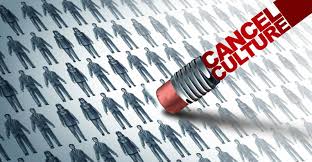
In the online world today, a single mistake will define a person forever. A single comment or clip taken out of context can lead to thousands of strangers deciding that the person is “cancelled”. Cancel culture is mostly defended in a way of seeing it as accountability, but really it ensues fear and creates division among people. At the center of it all, cancel culture is about public punishment. If someone says it does something offensive or wrong, the internet responds with outrage. Half of the time the criticism is deserving, because harmful behavior should be called out. However, it goes beyond just calling someone out. It aims to destroy reputations and shame people, without allowing for them to explain or change. Accountability should be based on improvement, not banishment. A significant issue is that it discourages honest conversations, and people live in fear that what they say could ruin their future. They stop speaking openly and instead choose to stay silent. This doesn’t guide society to be a more educated place or an accepting place, it just pushes ignorance that won’t be challenged or corrected.
Cancel culture ignores the important fact that people can change, and many people have said things in the past that they would not say again today. Society grows by being corrected, not by being erased and shamed. When someone is cancelled for something they said years ago, it sends a message that growth isn’t valuable and won’t matter. That is a very dangerous mindset because it assumes the worst in people and denies the big possibility of learning from our past mistakes. Another issue is the vast unevenness present. Not everyone is cancelled equally. Famous people like celebrities and influencers might lose followers, but regular people often lose jobs and friends over a moment online. Of course often, the punishment does not equal the mistake. A bad joke or even a poorly worded opinion leads to major consequences that are far more intense than the offense was. Justice should be represented proportionally, not like that. Many supporters of cancel culture argue that it gives a voice to the people that have been ignored in the past, and while that is true, there are more voices being heard, there’s also a big difference in speaking up and tearing down. Real and true progress happens when harmful ideas are challenged in a thoughtful way, not just attacking someone until everything disappears. For real change to occur it requires dialogue, not a sense of digital mob mentality. It creates an ”us versus them” mindset and environment. As soon as someone has begun to be labeled as ad’or íncorrect’anything they said to defend themselves is dismissed and useless. This kind of thinking is harmful, and leaves no room for empathy, although the world isn’t simply divided into perfect and terrible people. Everyone is flawed and just trying to figure everything out, which is made significantly more difficult when they are living in fear. If the goal is to shift and focus towards a better and more understanding society, then canceling culture isn’t the answer for us. Calling out people can be necessary sometimes, but to isolate and cancel them completely only spreads fear and resentment. Instead of searching for the next person to be cancelled, we can focus on how to educate and correct people to move forward into a more successful society. Growth can and should be the goal for people, not destruction. If change is what is truly being sought out, then the answer is not to cancel anymore. We have to start believing that growth and accountability are possible.